
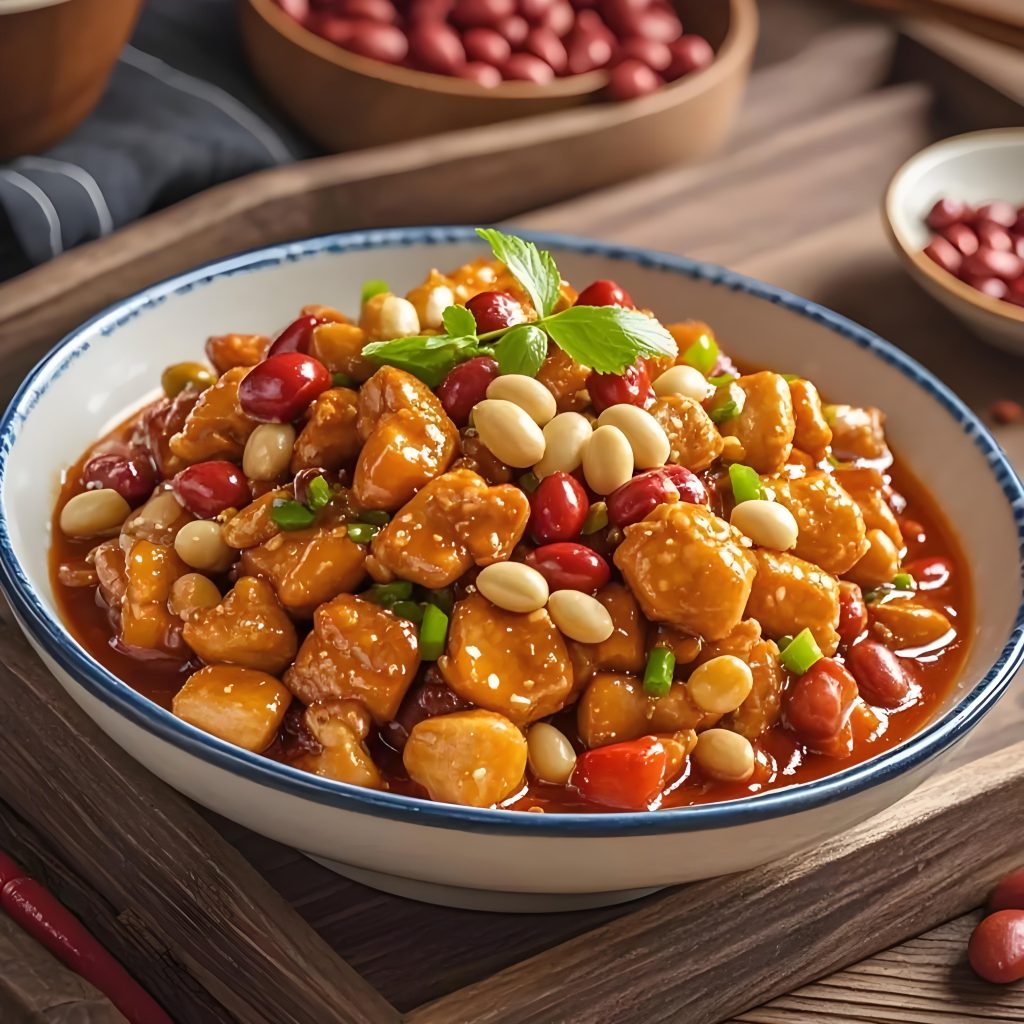
Kung Pao Chicken is a dish with an exceptionally high order rate in Chinese restaurants around the world. Behind its name lies not just a list of ingredients, but a historical echo spanning over a century.
This iconic dish did not originate in imperial royal kitchens, but rather from the culinary creativity of Ding Baozhen, an official during the late Qing Dynasty. Having served as the governor of Shandong and Sichuan, Ding was awarded the honorary title “Palace Guardian” (Gong Bao) by the imperial court in recognition of his outstanding achievements. With a personal fondness for spicy food, he particularly enjoyed stir-frying chicken with peanuts and dried chilies. This unique cooking method was initially known simply as “Stir-Fried Chicken Dices.” As Ding’s reputation grew in Sichuan, this dish from his private residence came to be respectfully known as “Kung Pao Chicken.” It gradually spread from the mansions of officials to the streets and alleyways, eventually becoming the quintessential representative of the “Sour-Sweet Spicy” flavor profile in Sichuan cuisine.
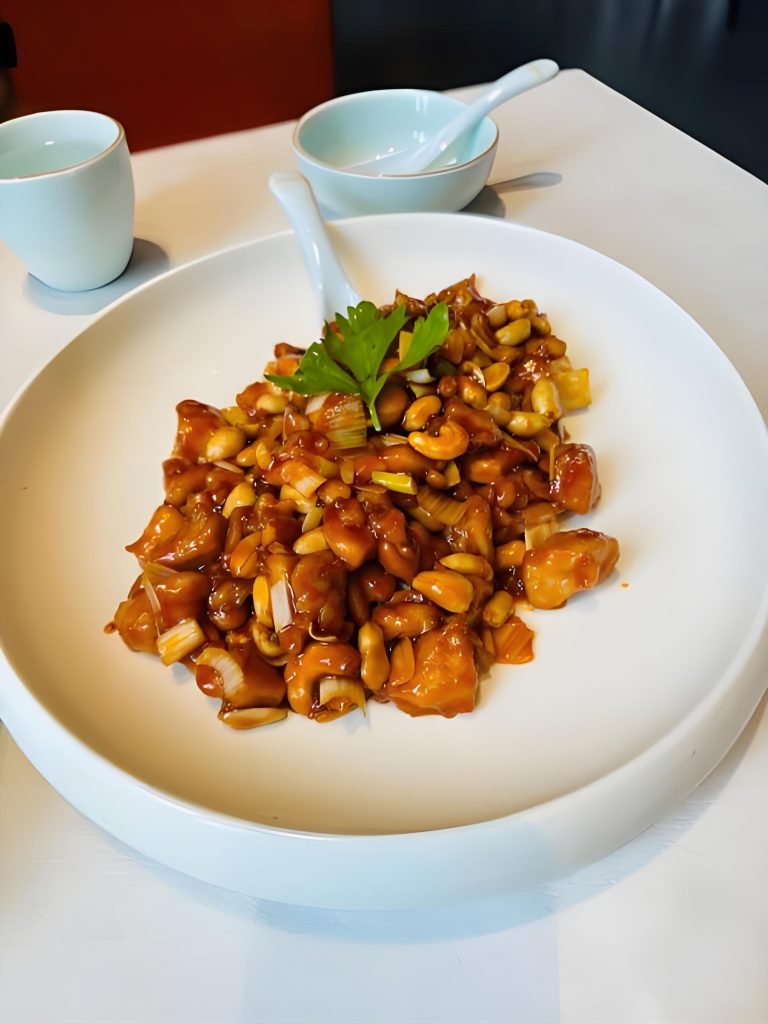
The charm of this dish lies in its pursuit of perfect flavor balance. This flavor profile, known as “Hula Litchi Wei,” does not mean the dish contains litchi fruit, but rather describes its complex taste: the charred, spicy aroma from dried chilies and Sichuan peppercorns fried in hot oil forms the “Hula” (charred spicy) base, while the interwoven layers of sweet, sour, salty, and savory notes upon tasting are as rich and subtle as the flesh of a litchi fruit. The tenderness of the chicken breast contrasts sharply with the crispiness of the fried peanuts. Every bite is accompanied by the焦香 of the chilies, the numbing sensation of the peppercorns, and the richness of the sauce. The requirements for heat control are extremely strict; if the chicken is overcooked, it becomes tough; if the peanuts are overheated, they lose their crispness. The tossing and flipping in the wok must be completed in a very short time to achieve its unique “one dish, one character” flavor.
Today, Kung Pao Chicken has far transcended the category of an ordinary dish; it has become a cultural symbol connecting East and West, tradition and modernity. Overseas, it is often the first introduction to Sichuan cuisine for many people. In China, it is a regular feature at state banquets as well as a delicious staple on the dinner tables of ordinary households. From Jinan to Chengdu, and on to Guizhou, debates about the “authentic” place of origin have never ceased. However, this is precisely proof of its strong vitality and wide-ranging influence. A plate of Kung Pao Chicken, with its bright red color and mouth-watering aroma, carries not only memories of taste, but also a legendary story about the rise and fall of officials, regional integration, and culinary wisdom.

Comments (0)